
Technology
The physics behind our sensors
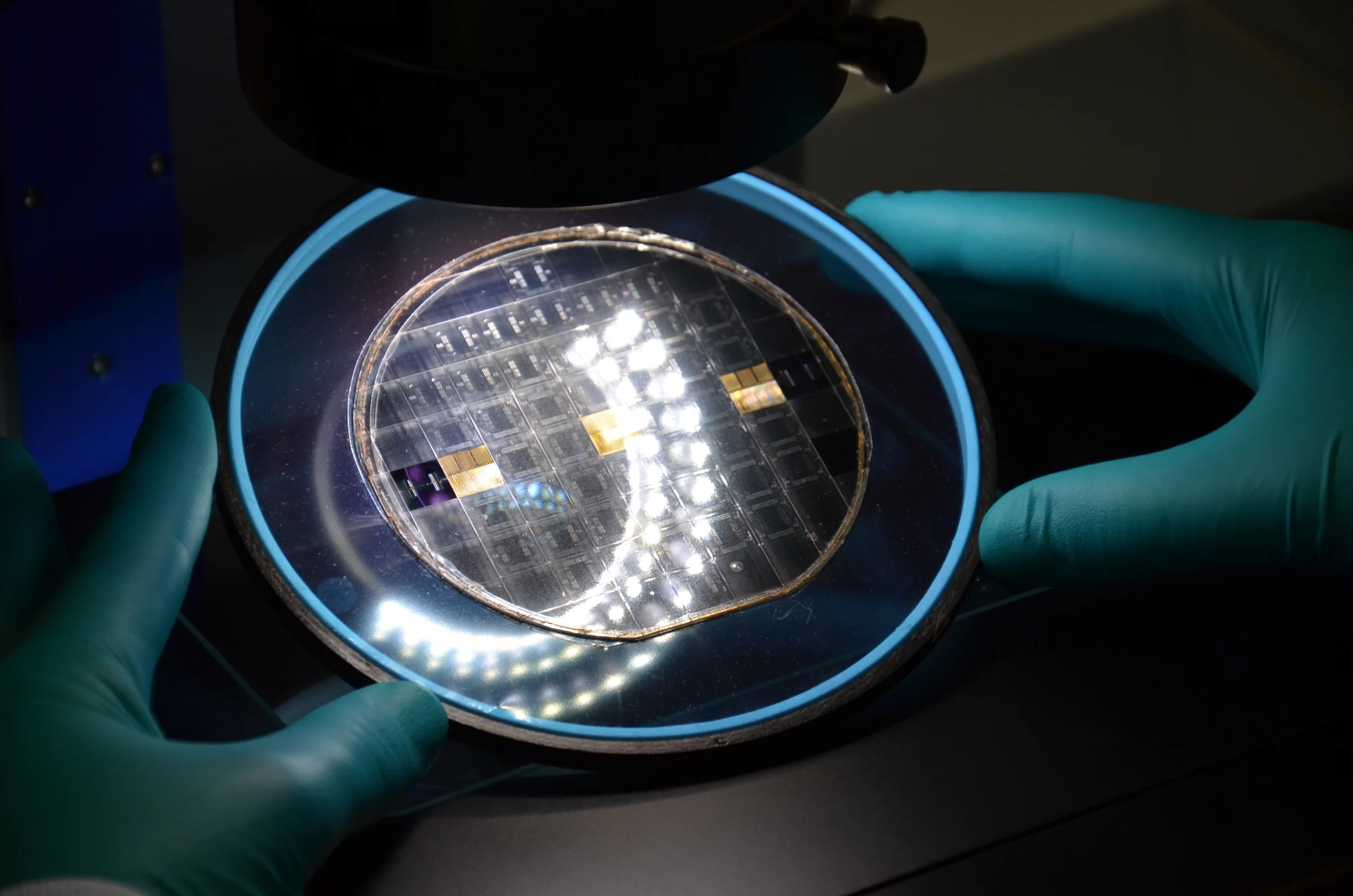
Our sensor modules grew out of gravitational-wave research, one of the most demanding measurement challenges there is
The gap we close
Precision used to mean big, heavy and power-hungry

High-end instruments
Excellent data, but bulky, costly and power-hungry, so you can only afford a few

Conventional MEMS
Small and affordable, but too noisy and unstable for the faintest signals

Innoseis ST
100× better sensitivity on a MEMS chip, at a power budget a battery can carry. Scalable sensor solutions become practical
How it works
A strong spring that behaves like a soft one
Softer springs make more sensitive sensors, but they are fragile. A patented anti-spring suspension gets the sensitivity without the fragility. This isn’t a one-off lab device; it’s an engineered platform
01
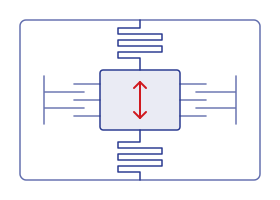
A mass on a spring
A tiny silicon mass hangs on silicon springs. When the ground moves, the mass lags for an instant, and we read that shift electronically
02
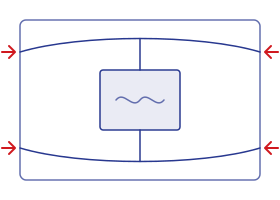
Squeezed into sensitivity
We compress the springs sideways until they act soft but stay strong. A lower natural frequency means a much larger response to faint, slow motion
03
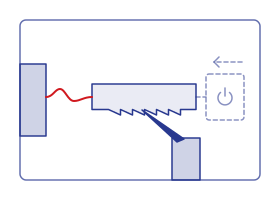
Locked for life
The squeeze is set once, after manufacture, and held without consuming power. From then on it needs no power to stay tuned
04
Dedicated control
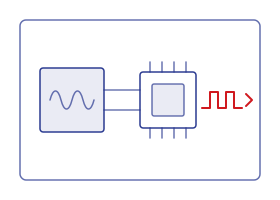
A proprietary read-out and control microchip – optimized for precision and power – runs alongside the sensor to output a digital acceleration signal
Solutions
From chip to field-ready system
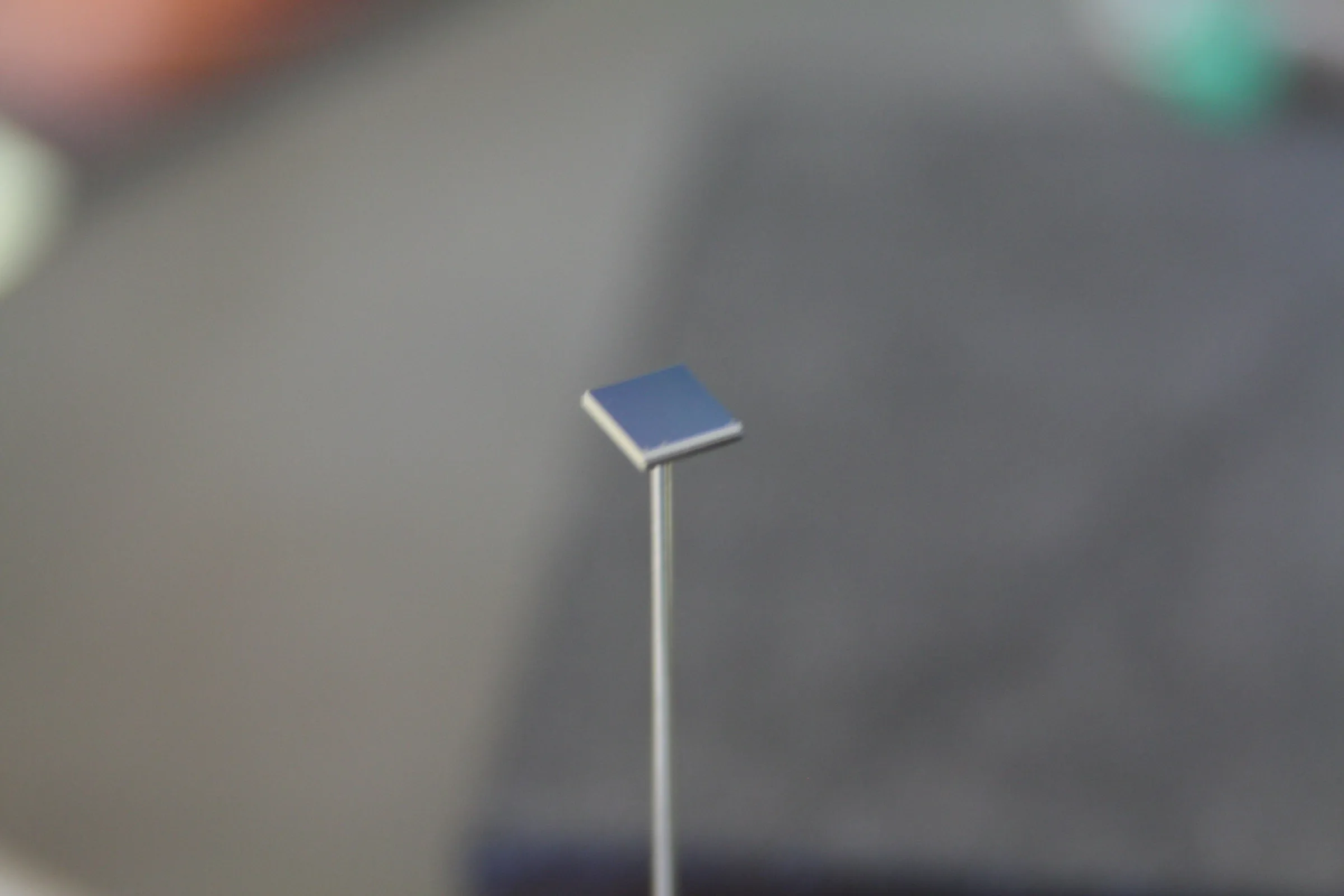
1C / 3C demonstration modules
Graviton sensor modules
A high-precision MEMS accelerometer module (MEMS + readout ASIC) that combines our anti-spring suspension with closed-loop electronics, for inertial sensing where every nano-g counts
- Graviton G for geophysics, Graviton S for structural health monitoring, Graviton N for navigation
- MEMS and readout ASIC in one sensor module
- Closed-loop force feedback, with a flat response from DC
- Digital SPI output
- Survives 1000 g shock
In field trials
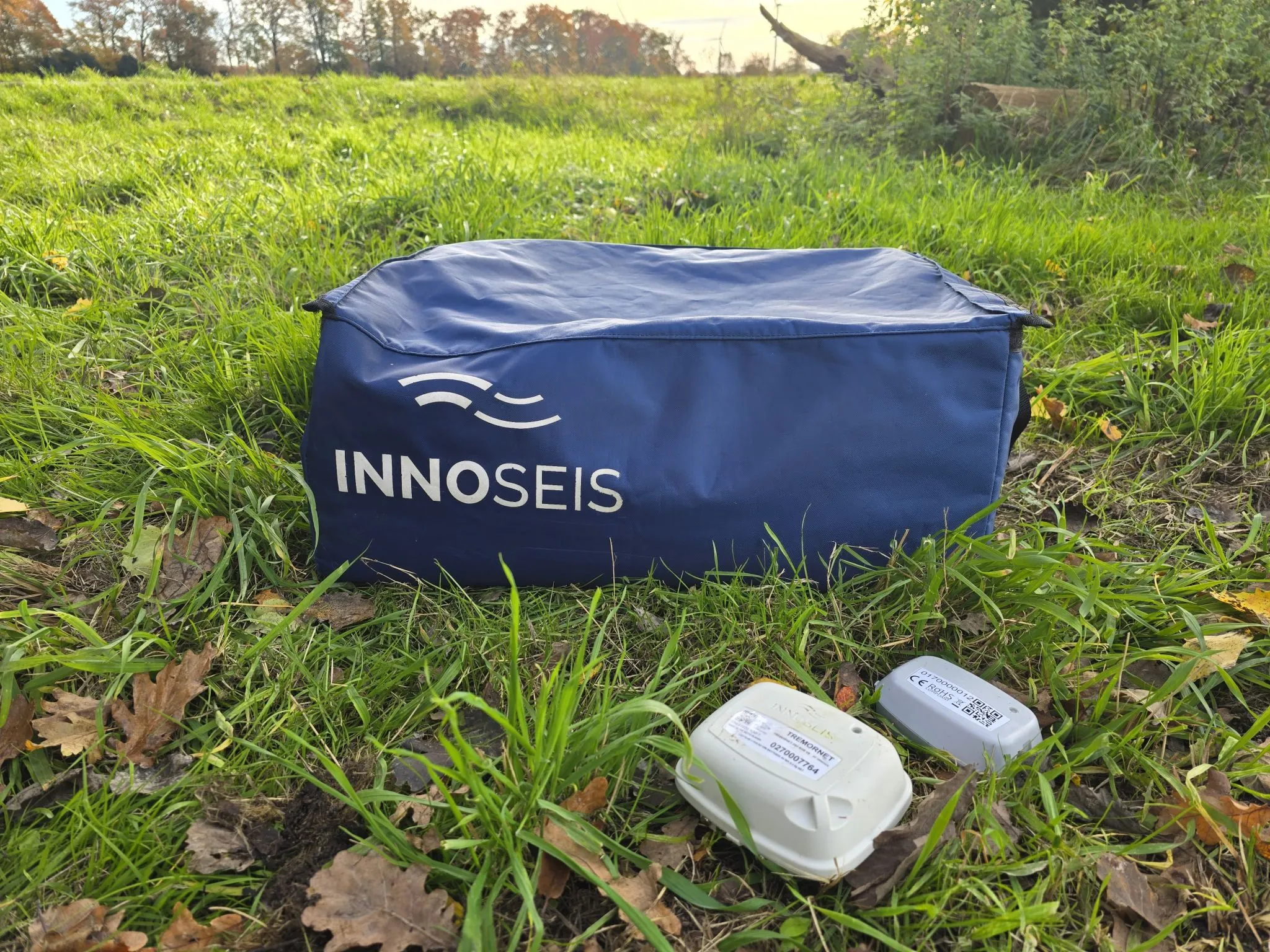
MEMS seismic node
An autonomous, battery-powered seismic node built around our MEMS sensor, deployed in European geothermal field trials
- Deployed in EU URGENT trials in Hungary and Poland (2026)
- One of the project’s two novel seismic exploration technologies
- Compact, for faster deployment of dense arrays
- Low power for long, autonomous field work
MEMS in space
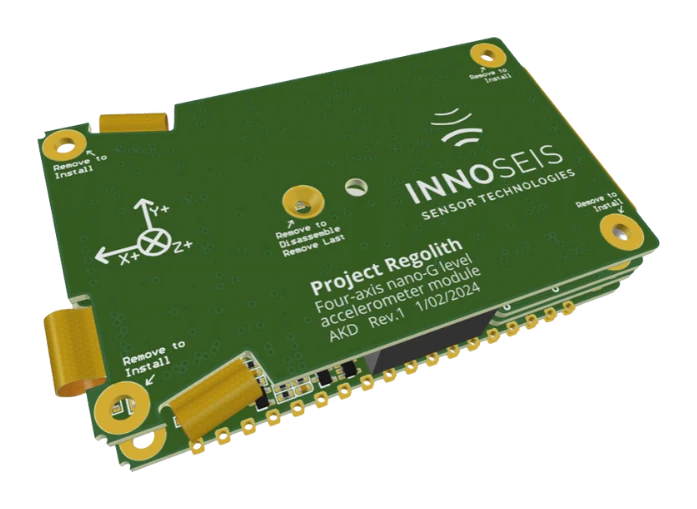
Regolith space module
A high-dynamic-range, four-axis nano-g MEMS module with low noise, for space applications
- Sensor modules delivered to Fleet Space for the SPIDER lunar seismic payload (2024)
- Launching in 2027 on Firefly’s Blue Ghost Mission 2
- Tested for the demanding environments of space
Technology news
Latest from the lab
-
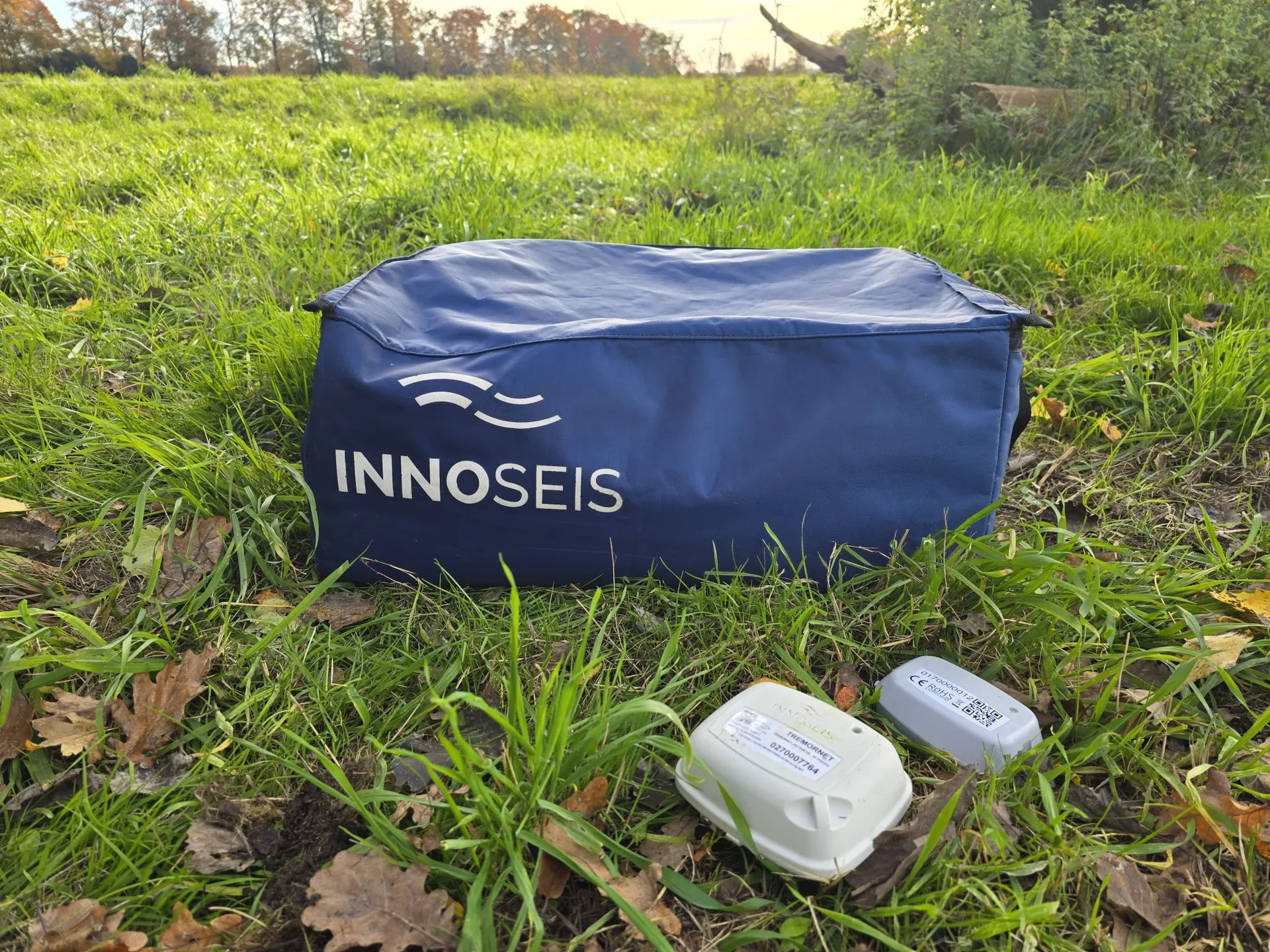
Innoseis’ MEMS-based sensor deployed in Poland
Another field trial, another challenging environment, another step forward! Following our deployment in Hungary, our MEMS-based seismic nodes have been deployed at…
-
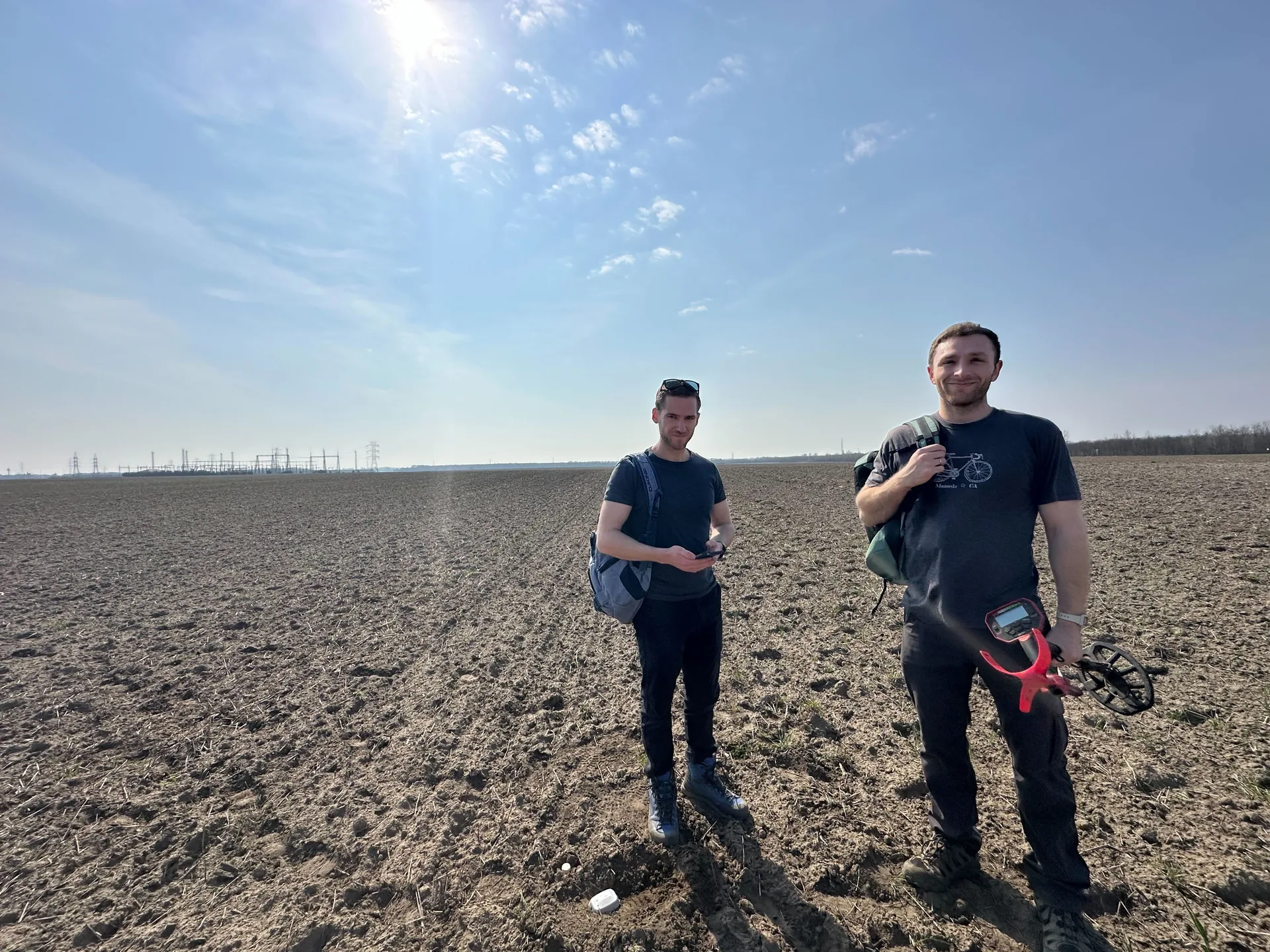
Innoseis Sensors deployed in Hungary
What once started in the lab is now being deployed in field trials! We’re extremely proud to announce that our new sensors…
-
Innoseis ST and Nikhef R&D join forces to develop next generation motion sensing
Innoseis ST is collaborating with the Nikhef R&D group and the Nikhef Electronics Technology group to develop an application-specific integrated circuit (ASIC).…